
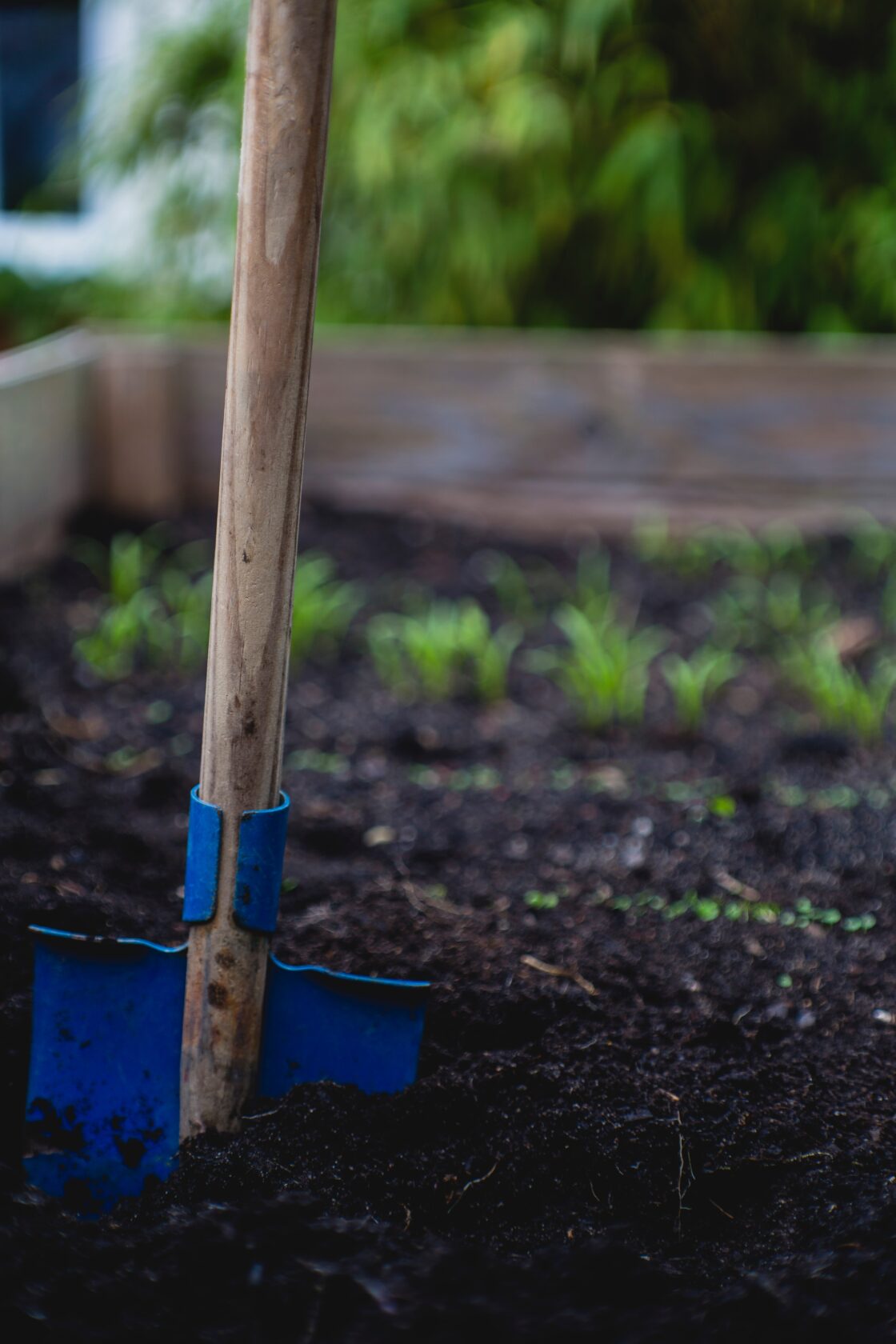
“A Community Garden with a Difference“
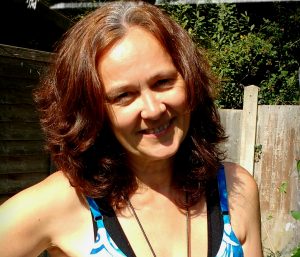
Through our work in landscape architecture, we often get to meet quite extraordinary people and a couple of weeks ago, we met with someone who most definitely fitted this bill. Jenny Lynn is a Director and Founder of brand new not for profit organisation Get Diggin It, which aims to get local communities engaged with growing and eating their own food.
The project has taken inspiration from a number of exceptional places and people from Ron Finley (whose Ted talk we posted here a few months ago) to Kurtis Stone, from the tireless work of organisation Incredible Edible to the Fleet Farming project in the US. Get Diggin It, was born from a simple seed and is growing to be something that could change the way communities view their food.
The basic principle behind the project is to take unkempt or unproductive spaces and transform them into community vegetable gardens but these are more than just your average allotments, they are trans-formative spaces from which to educate and inspire communities about the health, wellbeing and environmental benefits of growing your own food.
Knocked sideways by the statistic that 73% of all our food is supplied by the top 4 supermarkets, Jenny highlighted that with community food production as it stands, we can’t feed ourselves without reliance on these large corporations. Her idea is that every community should be self supporting, that food can be grown locally and eaten locally (and seasonally) and that is better for everyone. It’s cheaper (in fact, it’s free!), it’s healthier, it’s fresher, it supports the local economy and it’s sustainable.
Jenny walked me around one of their gardens and the most striking thing about it was the incredible lack of waste. Not only does nothing go to waste in these spaces but they actually use other people’s waste products to create everything they have. They bring a whole new level to the terms reclaim, reuse, recycle. This entire garden was formed from other people’s “rubbish”. A greenhouse which Jenny described humourously as “a little too effective” was ingeniously fashioned from plastic wrapping donated from a local builders merchant and scraps of wood left abandoned at the side of the road. There were vegetables growing in paint pots, seedlings in mushroom cartons and even bird-scarers made from leftover takeaway boxes. Nothing was “new” and yet everything was thriving.
The team behind ‘Get Diggin’ It’ are innovators, using their expertise and ingenuity to not only create edible gardens but more than that to spread the wider, deeper message of what they do across this community and also far beyond. The model they use is one that can be scaled, it leaves room for adaptation and change to fit the dynamic needs of other communities across the country and so this project is a little like the vegetables it creates, organic.
One question burned in my mind though. When talking to Jenny, it was very clear to see her passion and enthusiasm for this project but it was also obvious that it takes an inordinate amount of her time and energy too and I couldn’t help but wonder “Why? Why did she start this? And why does she give so much of herself to it? Why does she want to go into schools and educate children about it?” I asked her the question and her response bowled me over, “It’s about being human.” She said.
And she couldn’t be more right. This project brings communities together, it forms friendships, combats loneliness, helps people eat well, teaches people about food and helps communities become self supporting and ultimately more resilient. It’s not just about vegetables, its about people, it is quite literally about being human.
Here at Studio 31, we spend all day every day transforming landscapes, taking a plot of land or earth and creating something new, exciting or innovative. We consider ourselves industry leaders, we watch our carbon footprint and do our best to be conscientious in what we do as a practice but for all our expertise, it’s fairly humbling and also pretty inspiring to see how one organisation, one person really, can use a patch of land no-one wants to quite literally “grow a community”.
Photo by Markus Spiske