
What is good design?
What is design? What is good design? The answers are many and varied but the core of people’s responses is generally “something”. Design means doing something rather than doing nothing.
In a world of social media where months or years’ worth of work is scrutinised through the lens of a single image or caption, we feel pressure to be bolder, bigger and better than the competition. To stand out with a breath-taking concept that ‘wows’ our audience.
I wonder though, is this where perhaps, we are going wrong?
When did doing more become good design? And could doing less, perhaps be a more sustainable approach to our landscapes?
Our starting point for projects at Studio 31 isn’t ‘What can we do?’ It is ‘What do we already have?’ We look at a site and assess its ecology, biodiversity and nature value and think ‘What can we keep?’ and ‘What can we enhance?’
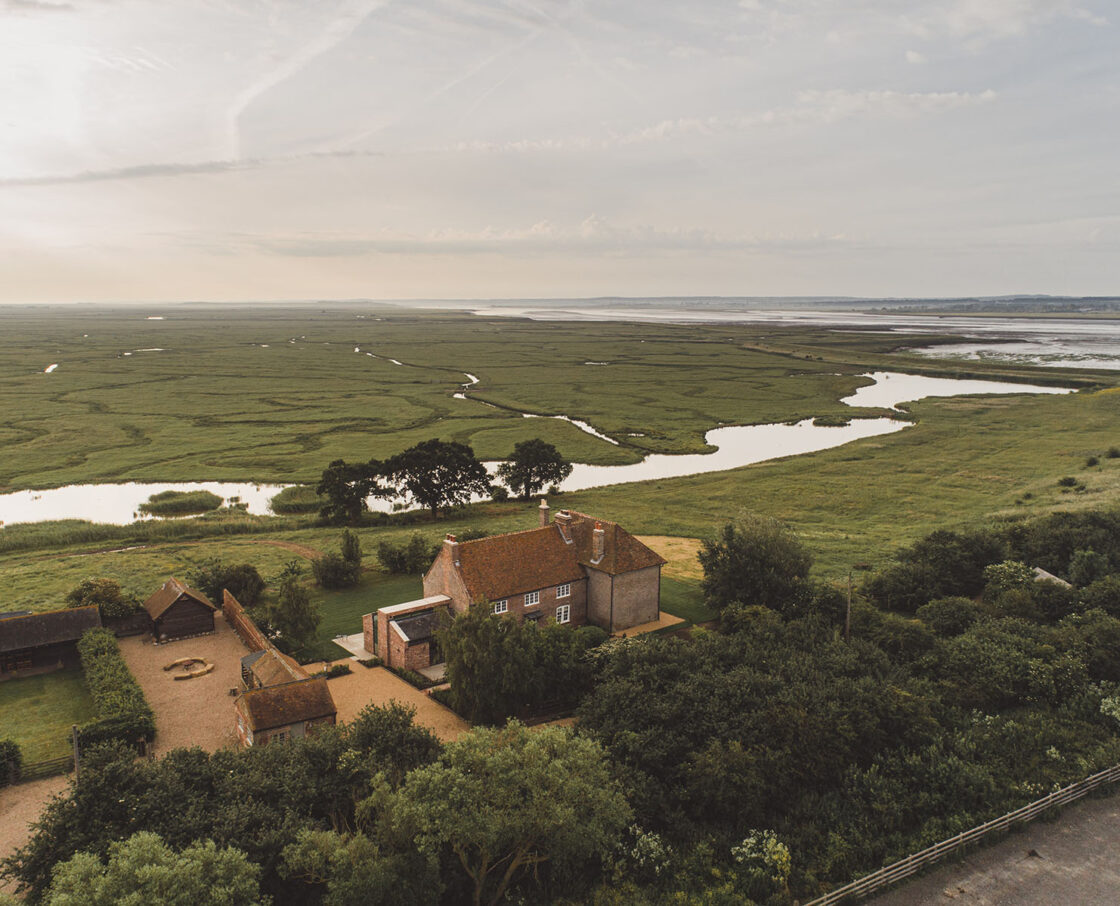
We recently submitted a paragraph 80 home for planning which incorporates no formal gardens at all. The natural ecology of the site comes right up to the house. Animals will graze up to the windows. The land will be managed using regenerative land management practices right up to the envelope of the dwelling. Landscape changes have been minimal and where a change has been made, it’s been carefully considered to enhance the existing ecology and increase biodiversity. The design here is in the land management which will enhance this site irrevocably over decades.
What does it look like on an Instagram photo? Almost as if we have done nothing at all. In reality the time spent designing that landscape far exceeds many other projects. It incorporates hours and hours of careful research, ecological reports, soil testing, design and management planning. We don’t put the before photos on our websites, people don’t see the habitat creation or increases in invertebrate life, bird species or wildflowers. It’s hard to show the value of this work in a single image.
We designed a garden space on a National Nature Reserve. Again, choosing light touch. Choosing plants which reflect the species on the wider reserve and keeping terraces and hard landscape spaces as small as possible. Giving over the site as far as possible to the nature which inhabits the wider reserve and allowing the water which makes that site what it is, to drain through the ground as it should. We allowed the views here to speak for themselves and kept new materials minimal and local. Can we take a single image of its simple, important and nature-led beauty? Not easily.
Nature doesn’t need our egos; it needs our hearts. Client’s don’t always need topiary and expansive terraces, they need thick-legged flower beetles, marbled white butterflies, goldfinches and snakes head fritillaries. We, as professionals, don’t always need to seek to do more, we need to consider quiet, gentle conversations which encourage clients to trust us to do more by doing less. And our Instagram feeds? Well, it’s those that need to be braver, bolder and better in order to tell a different story.
Take a look at a video of our nature reserve design here.
Image Rebecca Douglas Photography
_______________________________________
This article can also be read in Prolandscaper Magazine.