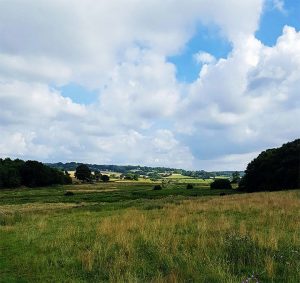
Nature Connection

Nature in Isolation

How we can use nature to support our health and wellbeing at such a challenging time.

Those who follow Studio 31 will know that our absolute passion is for all things health and my background being in mental health has compelled me to put out a blog at this time

At all usual times of struggle, here at Studio 31, it is our normal practice to turn to nature for the answers. We turn to nature for support, guidance and for health and we use research led design for health within our work and promote the intrinsic link between health and nature. Nature has restorative, health promoting and therapeutic powers. It is holistic, promotes active lifestyles and is linked with a whole range of positive health outcomes both physical and mental. What then happens if we (rightly) are asked to stay at home? What if we are unable to connect with this vital resource because we are (rightly) afraid our health may be more greatly compromised, or we may put at risk those more vulnerable than ourselves? Then, as with all things, we need to adapt. Nature still holds many of the answers and all of the same benefits, we just need to think differently and more creatively about how we engage with its healing powers.

First, we must, without doubt follow the government guidance. We must do as medical professionals are asking and stay at home. We must distance ourselves from others especially those who are vulnerable, and we must not put others at risk.

But second, we must look after our own health, both mental and physical. I do not know a single person whose mood or mental health has not been impacted by the current situation for reasons many and varied. Nature is only one of the answers but it’s one that we know best. We know that when people are separate from nature their health outcomes are poorer. We know that they are likely to lead more sedentary lifestyles and that those are linked with poor health outcomes too. We also know that poverty is linked with poor health outcomes and the current economic climate is likely to be affecting people’s health on many fronts.

Living in a hope filled world as I do, I am nothing short of inspired by the creative ideas across social media people are using to connect and support neighbours, family, friends and strangers at this time and I wanted to add our nature related thoughts to how you can look after your health at what is a very strange and challenging time.

It is our hope that some of the ideas below will inspire people to engage more fully with nature during this period and reap the powerful benefits of this connection.

  1. If you are fortunate enough have a garden, use it. Be it balcony, square of lawn or large estate. Plant it, do yoga in it, read in it, work in it, walk circles around it, plunge your fingers into the soil, weed the beds, mow the lawn, kick a football, make a treasure hunt through the plants with your kids. Wrap yourself in coat and hat and do the things you would normally do inside, outside- eat, sing, dance, play.


  1. If you do not have a garden; plant. Plant pots of strawberries and put them outside your front door, plant houseplants and scatter them around your flat, plant vegetables in trays, hang window boxes, plant herbs and cover your window sills, plant cress heads in eggshells, runner beans in loo rolls. Plant, grow, plant.


  1. Sit by the window. There is research which links positive health outcomes with simply viewing onto nature. This applies to health centres, places of work, everywhere. If you can see nature, it is better for you. Move your chairs and tables, pile up cushions to create a makeshift window seat. Sit with your kids on the windowsill and count birds passing outside. Connect your inside with the outside in whatever way you can.


  1. Get outside. If it’s safe to do so, if you can socially distance yourself from others. If you can be alone, get outside. Stay a safe distance from others but try to engage with nature in whatever way you can. When you need to get food, walk there. Walk past that big old oak tree or that familiar street tree. If you’re queuing outside a supermarket; look up at the sky not down at your phone, watch the clouds passing for a moment, feel the sun on your face. Stay home yes but if you need to go out (for food, medicines, exercise), then be out, engage with even the smallest glimpses of nature on your journeys.


  1. Exercise, outdoors if possible – There are a wealth of online exercise videos and classes being run for free. Yoga is great for body and mind and doesn’t take up much space. Exercise has huge health benefits and exercise in nature even more so, so if you can do it in your garden or by an open window so much the better.


  1. Open the windows. Believe it or not, most of the pollutants we inhale, we will inhale indoors. This is because, as a rule, our homes are poorly ventilated, and we spend most of our time in them. Let fresh air in when you can, as often as you can. Be mindful too that we are still in colder times of year so be sensible to protect those who are vulnerable or unwell. Keep them warm and safe but let air into your home as much as you can.


  1. Do nature-based activities. There are many online resources from guided nature meditations to nature documentaries to nature-based tutorials. Read nature books, paint nature pictures. Forage for stinging nettles and make nettle soup. For the small (or grown up) people in your life, leave your outside light on then get up early and see what moth visitors you have. Collect sticks, feathers, herbs and leaves and make some nature paint brushes. Press leaves in books, get some binoculars and spot birds and other wildlife from your windows. Watch the nature cams linked from places like Essex Wildlife Trust, watch Chris Packham’s daily nature talks. Talk it, live it, feel it.


A couple of weekends ago, before the restrictions and school closures came into full force, I travelled as I often do, to Hatfield Forest. I was surprised to see both car parks full and a queue to get in. I think we intrinsically know nature is a safe space, nature is good for us. So, we had retreated there where we could be together but apart, where we could be safe and still, where the kids could run free and we could breathe. It was heartening to see people there, to see them retreat to nature at a time like this. Things have changed a little since then and it isn’t the right message to send you into the wild but there are things you can do to engage with nature.

Many of us are isolated at home away from our usual routines and the people we love. Many others are working long hours and shifts in the service of others. All of us need nature more than ever. All our routines are changing from children to adults so why not take a moment to make sure nature and health safely remain a part of yours. We would love to hear how you are doing this so we can share these ideas with others too.

Sending love and nature connection into this invisible ether.


Photo by Annie Spratt
Regenerative Landscapes

Regenerative Spaces

Creating healthier and more enriching spaces for all. 

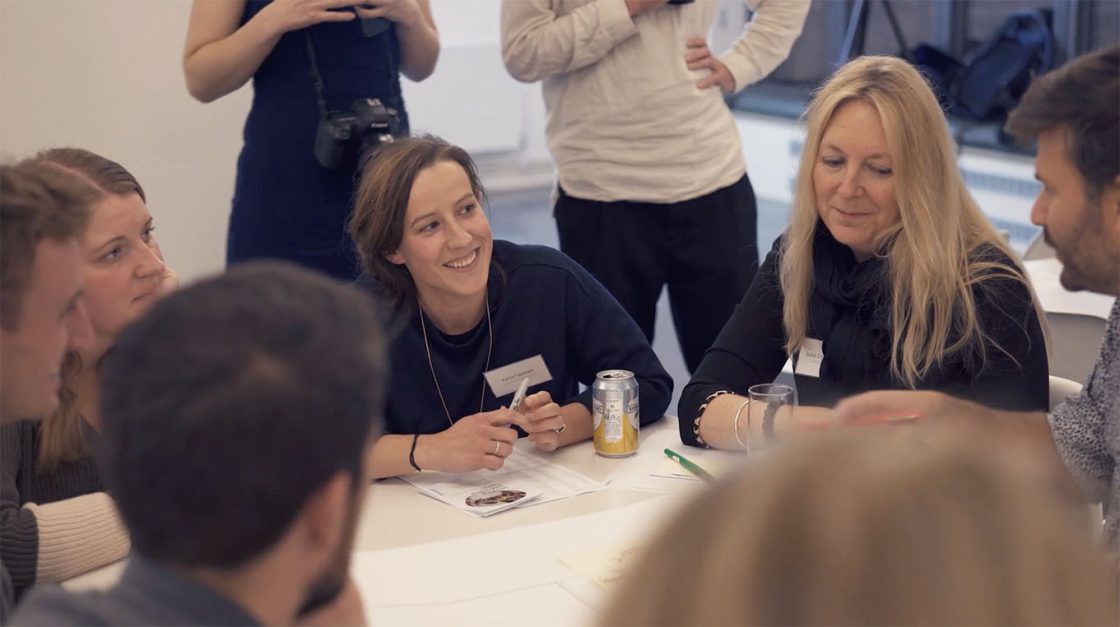
Towards the end of last year we attended a regenerative spaces event hosted by Azuko and Amos Goldreich Architecture. This week a video of the event and insights document were released. It was a thought-provoking event with so much passion in the room for making better, healthier and more enriching spaces. Here at Studio 31, we will always believe that landscape holds many of the answers to many of really big questions and emerging research supporting landscape’s integral role in health, wellness and climate change is testament to this but this event showed with absolute certainty that landscape is just one key element. Creating regenerative spaces is a truly multi-disciplinary task and events like these are blazing a trail in sparking cross-disciplinary conversations on these important topics. It was such a privilege to explore the inspirational work of other teams and organisations and consider how we could all work together for a greater good. Our thanks to people like Jo and Amos for bringing such a revolutionary group of people together.

Take a look at the video here.

And their Designing Regenerative Spaces insights document insights document here.

Please share their work and do head to Amos Goldreich Architecture or Azuko to join the conversation.

[Image is a still from the video of the evening so credit for this is theirs]

Prolandscaper Business Awards 2020

The values that drive Studio 31- Our win at the Prolandscaper Business Awards

Hope, imperfection and our moral compass. 

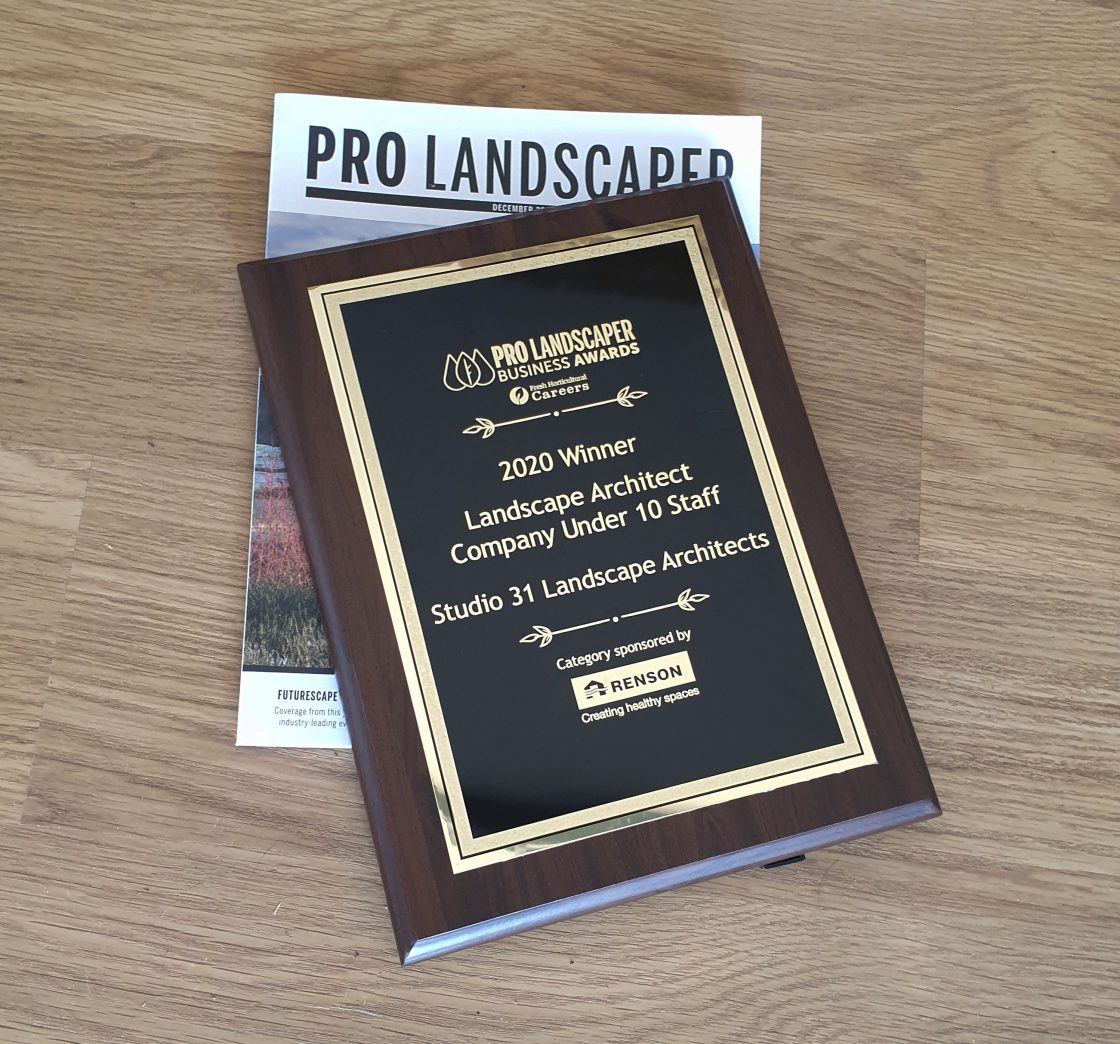
On Friday we won the Prolandscaper Business Award 2020 for Landscape Architect Company (less than 10 staff). Here, we are sharing our closing statement on our application for those awards which asked us why we should win and perhaps shares a little of the values which drive our practice.

Why should we win?

  • Because we are small, but we are mighty, we have big dreams and big ideas. We push every day beyond our boundaries and our size to be something more.
  • Because we believe that nothing good can be achieved in isolation, it needs collaboration, communication and partnership to create change.
  • Because we reach out and connect. We risk rejection and failure in order to form the relationships that will better the world.
  • Because we are a company of hope, spreading a message of hope. We know the negatives but what we also know is that we are in a position to change it. We want to be the problem solvers not the problem sayers. We want to spread hope, to convert hope into action and action into change and change into yet more motivation.
  • Because we understand the vitally important role of landscape architecture in shaping change.

Our ethics are not an add on but a core part of our business. This presents us with conflicts every single day. We don’t pretend to be perfect but rather perfectly imperfect. We make the best decisions we can, using our moral compass as guide. This means, we often choose to improve, rather than choosing only perfect projects. If we believe our involvement has the power to make something better, we act. We are constantly trying to be better; to review, to reflect and to react. We haven’t got exactly where we want to be yet but knowing that also means we have the flexibility to adapt our journey along the way. Why should we win? Maybe we shouldn’t, we’ll continue our course regardless but maybe winning would add a little wind to our sails and we believe they are sails worth filling.

Thanks to the judges and team at prolandscaper for putting a big gust of that wind in our sails. As it says above, we’re a small practice with big ideas and this was a moment of affirmation and motivation to help us continue to transform those ideas into action and create real change.

Do a little giving this Christmas

Christmas gifts, some incredible charities and a message of gratitude. 

As part of Studio 31’s ethos in health, sustainability and social change, we choose not to give material gifts at Christmas. We circulate electronic cards to our wonderful and valued clients and donate a to a landscape/nature-based charity on their behalf. To date we have donated the tools to build allotments for communities living in poverty in Rwanda, donated to The Garden Classroom (an outdoor education charity helping connect urban children with nature) and this year we will donate to a project close to our hearts The Pear Tree Centre for the ongoing maintenance of their new health and wellbeing garden there.

There are so many causes we would love to support, that often it’s overwhelming and difficult to know which ones to choose. We, therefore, choose to support nature-based charities, particularly those that connect landscape and health and who align with our values.

We are also lucky enough to know many other professionals and friends who run, raise valuable funds and advocate for equally incredible charities so if you want to change your company (or even personal) gift policy this year here are just a few ideas of some charities you could support…and when we say support, this doesn’t have to just be financial, even spreading their message helps others donate too…

  1. Azuko. An architecture charity using design to improve the lives of people living in extreme poverty and working to ensure every person enjoys the right to dignified living conditions. They are currently raising money to train women to “build for safety” in one of the poorest parts of Bangladesh where many houses are ill-equipped to face the growing number of natural hazards. This project really does have the power to not only change but save lives.

They are also running a bake-off style challenge between (today?!) 3rd-9th December so to get your workplace involved do contact them. Monies donated via their portal between 3rd-10th December will even be doubled!

  1. Shelter UK. “Homelessness is a national crisis” and architecture and the built environment could hold many of the solutions. Here is a link to one of our respected colleagues, Amos Goldreich talking about one such solution. His studio also happens to be undertaking a walk on 3rd December to raise vital funds for Shelter UK so do support them or the charity direct.
  2. The Garden Classroom. With more and more research emerging about the link between health and nature, it’s more important than ever that we connect children with nature. Not only this, but without connection to the natural environment there is limited incentive for future generations to protect it. Charities like The Garden Classroom give urban children the vital opportunity to experience nature first-hand.
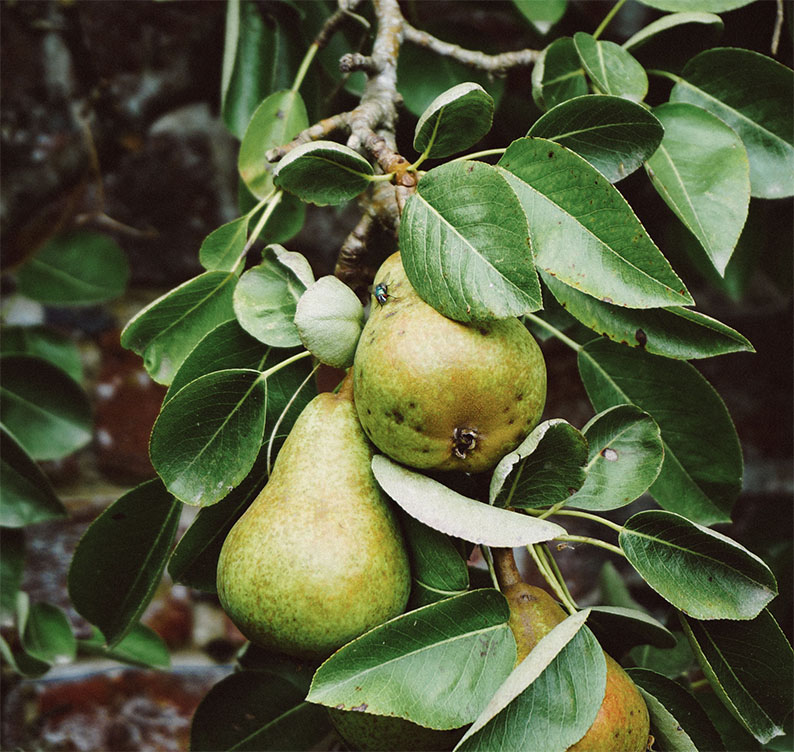
  3. The Pear Tree Centre. A centre and health and wellbeing garden for anyone diagnosed with a life changing illness. This centre is holistic and community led at its heart and set to change the lives of hundreds of people with life altering illnesses. The team involved with this project really are a true inspiration and it’s a model that has the potential to inspire others to do the same.
  4. The Flying Seagull Project. This is a personal choice and such an important and relatively unknown charity. These guys believe that basic needs extend beyond food, shelter and warmth and that every human being also has a right to joy. They travel across the globe using play to bring laughter and joy to refugees and other children and communities that need it most. You need only look them up to feel their infectious enthusiasm and the true value of the work they do.

It isn’t within every person’s power, budget or business to be able to support charities like these but if it is, even on the smallest level and you are the budget holder or the influencer, be brave this year, do things differently, blaze a trail and maybe give a gift that gives a little more.

Above all though, breathe in love and breathe out gratitude.


Photo by Dan Gold

Sustainable Materials

Measuring environmental impact, a sustainable materials library and creating an environmentally conscious practice.

The trials and pitfalls of specifying low impact, sustainable materials. 

When we created the studio back in 2016, our vision was for it to be both good for people and good for the planet. When it came to the day to day running of the practice, this was easy. We are almost paper free, the marketing materials we do print use recycled paper and vegetable inks, we use compostable coffee pods, reusable cups, a renewable energy supplier, pay for additional recycling services and even our exhibition stands are waste free, right down to the plantable pencils for the kids to colour-in.

When it came to projects though, we found our idealistic views on sustainability infinitely harder. There are many factors contributing to this including budget constraints, product availability and the difficulties in measuring project sustainability.

We all know as built environment professionals, the first materials specified, are often not the end materials. This can lead to projects having an original sustainable material detailed which is later substituted for an unsustainable one. To combat this, we wanted to build a library of materials that we could offer to projects which varied in both cost and green credentials. Our aim was to be able to offer clients a spectrum rather than either/or scenario when it came to building their project more sustainably. This has proved more complex than we first thought and here’s why:

What is sustainability?

Sustainability is a term which simply relates to the depletion of the earth’s resources, which, when it comes to materials selection, is simply not a broad enough term.

Many people believe that just choosing a biodegradable or recyclable option is enough. Swap a plastic toothbrush for a bamboo one and you’re winning right? The trouble is that we don’t think about the production of that toothbrush; whether it’s flown or shipped thousands of miles, whether ancient forests have been replaced with fast growing bamboo, the manufacturing process and how long each product lasts. We aren’t saying bamboo toothbrushes aren’t sustainable, but the point is, a product is more than just the material it is made from. All the above aspects (and more) contribute to the life cycle of a product and ultimately its environmental impact. This means that a less “sustainable” but locally sourced and locally made product, can, in some cases, actually have a smaller carbon footprint than a more sustainable material made overseas.

So, what do we want from a material? Something sustainable? Something plastic free? Something with a low carbon footprint? The multiple definitions and ways of looking at sustainability and environmental impact makes making choices about materials extremely challenging and complex.

How do you measure it?

What makes this even harder is being able to measure the impact of our building materials. To date, there is no truly comprehensive tool for measuring the environmental and sustainability impact of a project and the host of information given by manufacturers and retailers can be confusing and often misleading. Take, for example, the many blogs citing the sustainability pros of using artificial grass. Many of these serve to justify its use and even some sustainability tools will suggest it as a substitution  for other carbon heavy materials. The problem being, that all of these omit the truly damaging environmental and ecological impacts of covering your garden with what is essentially a layer of plastic (a blog for another day).

Certain tools are beginning to emerge such as this design toolkit and measure tool by Climate Positive Design. Climate positive design is a pioneering project aiming to make all future landscape architecture projects not just carbon neutral but carbon positive. The tools they have created are useful for lots of reasons. They ask designers to consider the carbon impact right from the outset and give suggestions of simple material substitutions to reduce the carbon footprint of a project. This along with a focus on increasing the soft to hard landscaping ratio is all creating habitual processes designers can use from the very outset to adapt their designs.

This feels like the closest we have come to truly being able to measure the carbon footprint of our projects however, even this inspirational tool has real limitations. It looks at materials as generic; the general qualities of timber versus stone for example. But it doesn’t (as yet?!) seem to have the capacity to consider the manufacture process, provenance, sourcing, transportation or disposal of those materials.

When measuring carbon footprint, it considers a site as a blank canvas. By not considering what was there first, the results can be skewed. It can seem that a project with more than a certain percentage of soft to hard landscape will be carbon positive but site clearance of mature trees and planting replaced with 25% hard landscape for example will have a carbon negative effect. The tool, in this case, would show 75% soft landscape as carbon positive. The calculations also don’t consider ecological damage such as habitat destruction, fragmentation and disturbance. Don’t get us wrong, it’s a mammoth step forward and hugely important but we can’t let it make us lazy.

What we’ve learned

Assumptions. In beginning to build a materials library we have discovered that products we had assumed were unsustainable, in fact had more carbon positive properties than previously anticipated and ones assumed sustainable had their own downsides. Assumptions, it turns out, are a dangerous thing.

Supply Chain. We have also discovered difficulties with supply chain. We recently, for example, specified natural stone paving which we were assured (amongst other attributes) was sourced and distributed from the UK. What we later discovered was that this product, though sourced in the UK was then shipped to Europe for manufacture and back to the UK for distribution. This massively increased that materials’ carbon footprint and was hidden from the consumer (us) with clever wording.

Judgement Calls. Considering sustainability is a series of trade-offs and, without real, comparable numbers, often feels like making judgement calls. As another example; we have spent many hours considering the relative merits of porcelain versus natural stone. Porcelain being a product that essentially utilises bi-product material (recycling) where natural stone draws directly from the earths resources. This, at face value, makes porcelain a better choice. However, porcelain undergoes a much more carbon heavy manufacture process using kilns which often run 24 hours a day. Natural stone conversely, has a much lower impact cutting process. Which then is the more environmental choice? Timber I hear you cry! Absolutely in terms of carbon capture and end of life disposal but even timber is not without its own issues in terms of sustainable sourcing, deforestation and longevity. And all this not withstanding client preference and budget constraints.

Is there a solution?

Suppliers. What we are doing is holding our suppliers to account. Asking them for the sustainability credentials of not only their products but also their businesses. Asking them to care, to understand and above all to know the answers. And slowly, slowly, we are building a library, adapting, changing the materials we use and when we find something we don’t like, seeking out new suppliers, new materials and new technologies. We have an open door to suppliers to who can prove to us their product is a more environmental and healthier choice.

Clients. We are attempting to arm ourselves with enough information about products. to be able to offer realistic alternatives when budget or other factors constrain. An example of this is a large healthcare project which was subject to budget cuts and therefore asked to down specify a large area of terrace. Their suggestion of a product they had previously used (and seen be successful in health setting) would have greatly increased the overall carbon footprint of the scheme. Our recognition of this meant that we could suggest a material with 80% recycled content that both met their budget constraints and provided a more sustainable solution. Just as our clients aren’t designers, they also aren’t sustainability experts therefore education is key to support our clients make truly informed decisions.

Professionals. We are building relationships with like minded professionals. Ones who care about their environmental impact and ones with whom we can share knowledge and draw from their expertise. A series of symbiotic relationships to keeping driving sustainability in the built environment forward.

Conclusion

This isn’t a perfect world, there are no perfect projects and certainly there are no perfect products (perhaps excepting trees) because every product takes something from the earth in some way. But… we are passionate about our ethics and trying to be a moral compass, sustainability advocate, educator and environmental champion on the projects we are involved in. Our hope is to make them better through our involvement, better our own practice in the process and perhaps inspire other professionals to move with us along the way.

Watch this space for a follow up blog on questions to ask your own suppliers regarding sustainability.

Choose Landscape

A new team member #chooselandscape

An open minded approach to recruitment.

A quick blog to welcome Andrew to our growing Studio 31 team. As a practice, we believe passionately in the value of landscape professionals to the build environment and with Landscape Architects being the latest addition to the skills shortage list, we are astutely aware of the need to encourage more people into this profession.

It has always been the way of our studio to look for collaborations in unusual places and this is no different with our staff. With the implementation of the Landscape Institute’s Apprenticeship Scheme and a big drive on the recruitment of landscape architects into degree courses, we chose to recruit both from within and outside the existing pool of graduates by using an open brief job description for our next team member.

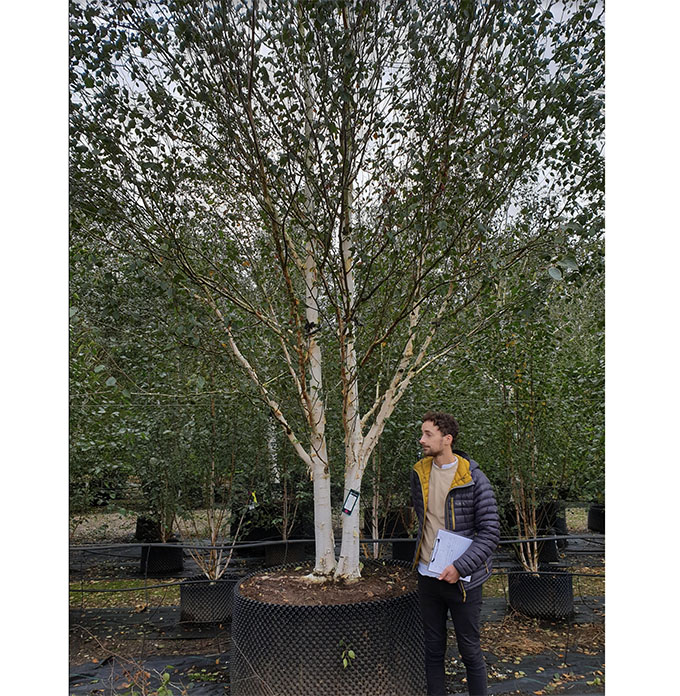
What we found was that we received an array of quite inspirational applications from a wide variety of professionals with hugely transferable skills. After a very difficult decision, we chose to recruit Andrew who having worked in both management and the creative industries offered an extension to the existing skill set in the office. This position is a career change for Andrew who believes avidly in both the roles of health and sustainability in landscape and having grown up in the Suffolk countryside has an innate connection with landscape.

In his short time with the practice, Andrew has already been involved with trade shows, nursery visits, landscape construction, detail design and has shown an aptitude for the design and horticulture aspects of the business. He will also be involved in our project showcasing, utilising his industry skills in photography, film production and editing to help market both our work and our message. Our aim is to give him a wide-ranging understanding of the landscape industry before supporting him on a pathway of his choosing (hopefully landscape architecture!).

With our involvement on the lecturing team for Landscape Architecture at Writtle College and our plans to deliver talks and workshops in schools, recruiting valuable professionals with transferrable skills into the industry seemed a logical next step and our open brief job description really surprised us with the quality of candidates both inside and outside the industry.

Apprenticeship schemes value the combination of industry experience and theoretical knowledge and ask both courses and workplaces to connect the two in order to remain right at the cutting edge of the industry. As a practice, we have taken this attitude and an open mind and really found ourselves a landscape professional of the future.

We can’t wait to learn from Andrews extensive experience and to offer him an insight into this very important industry we have the privilege to work in. Welcome to the team!

A slower final finish

Establishing roots before growing the tree. A gentler path to the end result.

We spend a lot of time considering the link between landscape and architecture. As landscape architects and custodians of this earth, we push for landscape driven schemes and buildings that work with the land, to enhance the land and minimise their impact on the future of this earth. Sometimes we think what we are doing is new, trail blazing. But then we take a walk at Beachy Head and remember architecture that is led by the land, isn’t new, it’s old. Very old. It’s in the straw and heather roofs of Celtic round houses, the neolithic grass long barrows, and the wattle walls of Viking homes. Over time we have moved gradually away from the land, we began to harness its powers through such architecture as wind and water mills and then to disregard it in the search for the next perfect housing plot, the next instagrammable interior. Land that can be cleared and a blank canvas created.

But there is a shift, a shift in the minds and hearts of architects, landscape architects, professionals. A sensing of the urgency to choose a new path and an acceptance of our role within the solution. There are rumblings. Rumblings of a bigger kind in our clients, the people of this land, those who want to shift their priorities from fast and beautiful to slower and thoughtful. Those who want to push for passivhaus, natural materials, for landscape led. And those who can, with support from us, tolerate the slower final home, gentler final finish.

We are moving within a difficult time, a time of crisis; climate, housing, health but the solutions are within our reach. Solutions which don’t have to be either/or but instead to shift, to reprioritise. To choose health first, climate first and final finish second, later, slower. There are those who believe that sustainable and beautiful are juxtaposed but our projects are evidence of the contrary. Of course, there can be moments in that journey to be both sustainable and beautiful where clients may need to choose; to phase or to compromise, to have now or later but the answers to those questions are changing too. People understand the value in building right over building fast.

Our projects aren’t perfect, we aren’t perfect but our projects are better for having us within them. They are greater than they were, slower than they were, gentler than they would otherwise have been. And each time we breathe life into a new client relationship or work again with that passionate architect, we are choosing to reprioritise, choosing to be brave and in turn facilitating others to be brave too.

A legacy beyond us.

A visit to a private nature reserve in Sussex brings unexpected design lessons.

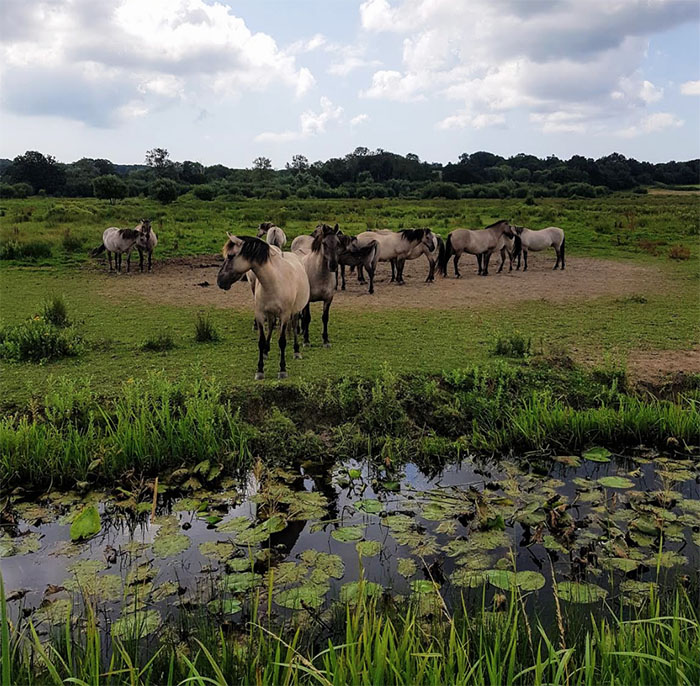
Last month, we had the privilege of visiting a 350-acre privately owned nature reserve in East Sussex. The reserve was the brain child of the passionate Philip Newton and began as nothing more than a mere 4 acres and a vision. It is now owned and run by The Maxfield Nature Conservation Trust and boasts more than 350 acres of re-wilded abundance.

Almost everywhere you look, it is brimming with life. Crickets and grasshoppers flick at your feet whilst damselflies and butterflies colour the air. A brief ten minute birdwatch records over 20 species from nuthatch to buzzard and the moth trap catch beggar’s belief. You cannot rest your eyes here, there is always something to draw them. Always some other wild wonder to drink in and all that’s discounting the rich flora that is the beating heart of this place.

It is peaceful here. A silent retreat, a place to be, to observe, to feel small. This is sympathetically managed land, largely left to its own devices. Sensitively grazed by a small herd of Shetland Cattle and wild Konik ponies, its conservation strategy echoes that of other local areas like Friston Forest. There is a demonstration here that although it feels like the land is untouched, this is a joined-up attempt at getting the best from this place; giving nature the best chance.  Through minimal intervention, Philip has created thriving wetlands here, havens for birds, insects and arachnids whose habitats are ever decreasing in other parts of the UK. There are wildflower meadows rich with life and woodlands where aerial friends can rest.

Zipping through this place on Philip’s nature safari, three hours passes in the blink of an eye. We stop every few hundred yards; something else to look at, something else to learn. My heart is full here, my mind still. I recall many of the health research papers exploring what makes a healthy place. This has so many of the perceived sensory dimensions associated with health promotion; serene, space, nature, rich in species*. Perhaps that is why I feel as I do.

Driving away, thinking about the wonder of this place, there are three things I take away.

One. let it never be said that a single person can do too little. We cannot all build a 350-acre legacy but the way we tread our paths with nature, lift our heads to see it and open our minds to learn about it can have a greater impact than almost anything else.

Two. Here is, yet again, another argument for light touch, re-wilding, doing more by doing less. Our clipped verges and mown lawns are traditional in their design but do not bring with them abundance. We need to think differently about design, about maintenance and perhaps about beauty itself. After all, with regard to nature; with abundance comes beauty.

Three and perhaps the poignant lesson here. This may be a private nature reserve, but it isn’t a private enterprise. Philip shares it with conservation experts; individuals with their own agendas from increasing rare spider populations to recording birds and also with larger organisations like the Sussex Wildlife Trust who can use this place to research and record. This is a personal project but a future one too, it is his desire that, in time, this place will end up in the hands of a wildlife conservation organisation and wheels are already in motion for this to happen. The legacy of this place will live well beyond its architect. And in todays’ world that is truly innovative and truly forward thinking. What we need to do now, is create places that aren’t for us but instead that live beyond us. And surely, we as landscape architects are some of the best placed professionals to do that…

design lessons

*Stigsdotter and Grahn (2010) The relation between perceived sensory dimensions of urban green space and stress restoration. Landscape and Urban Planning. 94: 3-4

An interview with Matthew Pottage, Curator of RHS Garden, Wisley

Matthew Pottage, Curator RHS Garden, Wisley

This month we had the privilege of interviewing Matthew Pottage, Curator of Royal Horticultural Society Garden, Wisley.

Just to give some context to Matthew’s job, RHS Wisley is a 240 acre site, visited by 1.2 million people annually. Wisley employs some 75-garden staff, 25 students, four apprentices and 100 volunteers and Matthew’s role is to oversee the plant collection, gardens in which they are displayed and all the staff and volunteers who care for Wisley.

No small task then, but who better to take on that challenge than someone who has lived and breathed Wisley since the inception of his career. Matthew trained with the RHS as a student at Wisley and worked his way up ‘through the ranks’ from student to Curator over a ten year period.

His dedication to the collection of plants there is such that he studied for the RHS Master of Horticulture alongside the demands of his day job and his passion for people’s relationship with plants was one of his main drivers for becoming curator of RHS Wisley.

Inspiring people with plants and creative display excites me, and how better than being the Curator of a garden that is visited by some 1.2 million people annually?! I also love cultivated plants so the RHS remit really appealed to me, as we do not ‘stamp collect’ species plants, and we have a lot of freedom how things are laid out and displayed”

I imagine there are a lot of favourite parts to working somewhere like Wisley but for Matthew it is seeing the garden develop, evolve and improve. Testament to the humble nature of his character he believes that this evolution “is through the great work of my team, which, from a management point of view is about recruiting and developing talent and giving people space and freedom to do wonderful things.” Showing, as all great curators do, that the things worth doing are rarely a solitary venture but a group of passionate people inspired by the steady hand that guides them.

Unsurprisingly, managing a gargantuan project like Wisley also has its challenges in the shape of the pure volume and breadth of work involved but as Matthew puts it;

“The RHS is a very inspiring charity to work for, and the extent of work is quite phenomenal. I always feel proud to wear my RHS name badge”

Matthew’s inspirations are many from “planty conversation with the likes of John Grimshaw, Roy Lancaster or Helen Dillon, all of whom are generous, knowledgeable and incredibly lovely people” to designers like Piet Oudolf, Arne Maynard and Chris Beardshaw’s [whose work is in] contrasting styles but full of personality and interesting plants.”

Thinking about professionals like these, the other great thing about Matthew and the RHS more broadly is their readiness to use the expertise and experience of other professionals to really get the most from a garden or project. This includes working with exceptional designers.

“Showcasing design does come into play at RHS Gardens, and when we refresh a large garden area we often work with external designers. I believe this works best when the RHS team plant knowledge informs a planting plan that fits with an external designer’s plan. A huge success at Wisley is the Bowes Lyon Rose Garden where a combination of my team’s plant knowledge and Robert Myers’ brilliant design literally transformed part of the garden that is now beautiful and full of interesting plants.”

Those who regularly follow us, will know that, here at Studio 31, we are passionate about the link between design, health and landscape and it’s great to see professionals like Matthew engaged with the topic of well-being and spreading the message about the value of landscape and “power of plants”.

 The power of plants and the wellbeing they bring us is so important and was seemingly undervalued. Cultivating plants, gardening, creating something beautiful in your back yard is so stimulating and rewarding, I feel passionately that those who have a love of gardening should try and spread the word! I’m really pleased the topic of mental wellbeing through gardening is now getting airtime – surely a positive forward step.”

Interviewing Matthew, you get a sense from him that two things are what makes him so good at his job; an innate and unashamed love of plants;

“I do believe I’m branded a bit of a conifer fanatic, which is true, I do like them, but I love a huge range of ornamental plants from houseplants to trees and don’t mind putting my head above the parapet if it happens to be unfashionable!”

And a gusto to take a risk and try something new. In fact, when we asked him what one piece of garden or landscape advice he would give everyday people, his answer was this:

“Never be afraid to do something different or try something new. With worries around new pests and diseases, changing climate and a social media world where everything is available for everyone’s comment, it could be easy to never move forward. Don’t lose your nerve and always have the drive to do something new.”

And we couldn’t agree more, progress has always been made by believing impossible things were possible so it’s great to see people like Matthew curating exceptional gardens like Wisley with this very same view.

#choose landscape. How we inspire young people to do just that.

How one pupil’s work experience helped open our eyes to the challenges of inspiring people to join our industry.

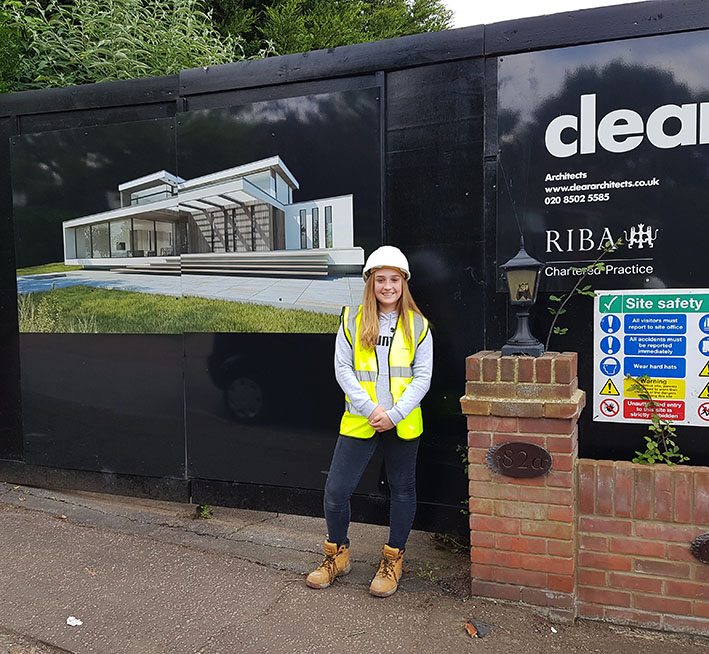
A few months ago, we were fortunate enough to be approached by a passionate pupil asking whether she might be able to engage in her work experience with our practice. Being huge advocates of the landscape industry, we of course, jumped at the chance to showcase the landscape architecture profession and last week she joined us for the week.

It was an experience with lots of learning on both sides. We tried to give her the best insight we could into the day to day life of our unique landscape architecture practice whilst she helped draw our attention to some of the challenges facing young people in making informed choices about their career pathway.

We have to admit that we were surprised by being approached by someone at such a young age who actually knew what landscape architecture was. It is our experience that many of even the most seasoned of industry professionals found landscape architecture by chance. That is something that campaigns like #chooselandscape and the landscape institute’s apprenticeship scheme are trying to change. However, our student’s presence with us helped us to see that we’ve a long way to go before landscape architecture ranks as a career of choice for young people.

Careers like architecture, engineering and veterinary science, feature heavily on school careers education programs and are readily discussed in day to day society, where landscape careers are more stigmatised and less well understood. Our student told us of careers talks featuring all the above professions but not one landscape or nature related one. This got us to wondering, is this the norm across all high schools? How then did she come across landscape architecture?  The answer was google. She googled careers where she could combine her passions for geography and design and landscape architecture appeared. And whilst it’s great to know that google is beginning to rank our profession higher and recognise the assorted skills within it, we can’t help but wonder, is there more we can do to encourage young people into this most wonderfully diverse of professions. Should we not all be inundated with requests from young people inspired to do their work experience in this profession?

We were approached by more than 10 separate young people at a recent exhibition, all wishing to be architects and our response to them was this “why not landscape architecture?”. Not one had heard of it.

Having our work experience student in the office, helped us to see the real value of what we do as both a practice and a profession. Being forced into explaining our processes, practices and policies made us really take a step back and assess the value that we add to place and to nature through our sustainability and health strategies as well as through the creativity of design itself.

Trying to cram all the different aspects of our practice alone into one short week was a huge eye-opener to the endless possibilities landscape architecture offers as a wider profession and the need to inspire, educate and inform young people about its place in this precious world. We are place making for the future, for their future and surely, they should be a part of that.

We feel privileged to have had the opportunity to make a (hopefully positive) impression on just one talented person and humbled at her impression on us and are now busily engaged in working out how to inspire more…